
An analysis covered by The Washington Post highlights the paradox at the heart of brand name GLP-1 medications: they carry a steep upfront price tag—around $6,000 annually per patient—but deliver outsized long-term savings by reducing the risks and costs tied to obesity-related conditions.
For employers, this tension between short-term expense and long-term value has become one of the most important decisions in workforce health. Ignore GLP-1s, and companies risk higher medical claims, rising absenteeism, and disengaged employees. Embrace them, and organizations can position themselves as leaders in employee wellness, loyalty, and productivity.
The Corporate Dilemma
Roughly 40% of U.S. adults live with obesity, a condition linked to diabetes, heart disease, sleep apnea, joint problems, and even certain cancers. These conditions drive up costs not only for insurers but also for self-funded employers footing the bill.
While about half of large employers now cover Zepbound and tens of millions of Americans have access to Wegovy through insurance, adoption has stalled. Why? Sticker shock. Many benefits leaders worry about the immediate outlay—even though data shows GLP-1s reduce downstream healthcare expenses.
It’s a classic corporate wellness Catch-22: absorb the costs now, or pay even more later.
The ROI Employers Can’t Ignore
According to the Institute for Clinical and Economic Review (ICER), GLP-1 drugs rank among the most cost-effective treatments ever assessed, with projected lifetime offsets of $46,000 to $61,500 per patient.
That kind of savings comes from:
- Fewer hospitalizations related to heart attacks, strokes, and diabetic complications.
- Reduced disability claims as obesity-related comorbidities improve.
- Lower absenteeism and presenteeism (employees physically at work but performing below capacity due to health issues).
For HR and CFO leaders, this translates into something rare: a benefit that both improves lives and strengthens the bottom line.
Beyond Cost: Retention and Culture
Financials are only part of the story. Offering GLP-1 coverage has proven to be one of the most in-demand benefits in today’s workplace. In fact, surveys show that nearly 70% of employees would stay longer at a company that provides access to GLP-1 medications.
In a competitive labor market, this is about more than saving money—it’s about protecting talent pipelines, reducing turnover costs, and building a culture that prioritizes health. Companies that integrate GLP-1s into their wellness programs demonstrate empathy, innovation, and leadership in areas employees actually care about.
Addressing the Cost Barrier
The main obstacle for employers isn’t doubt—it’s the budget cycle. Many ask: “Why should we pay today if the long-term savings could benefit the next insurer or employer if someone leaves?”
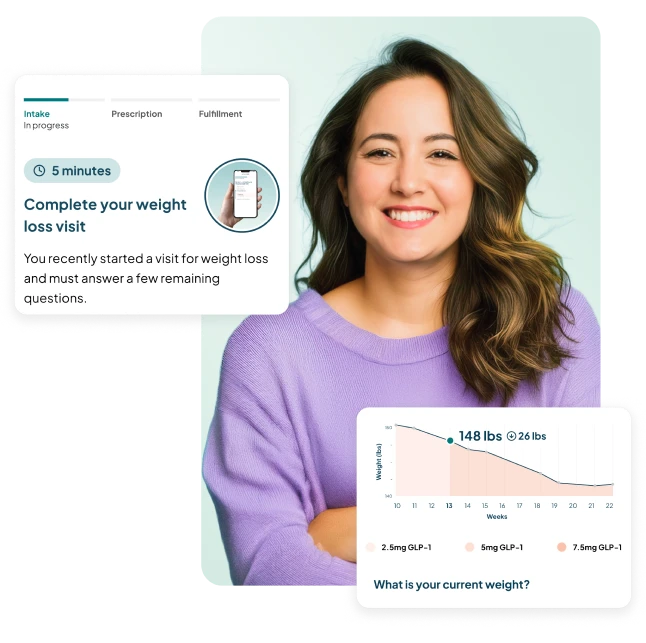
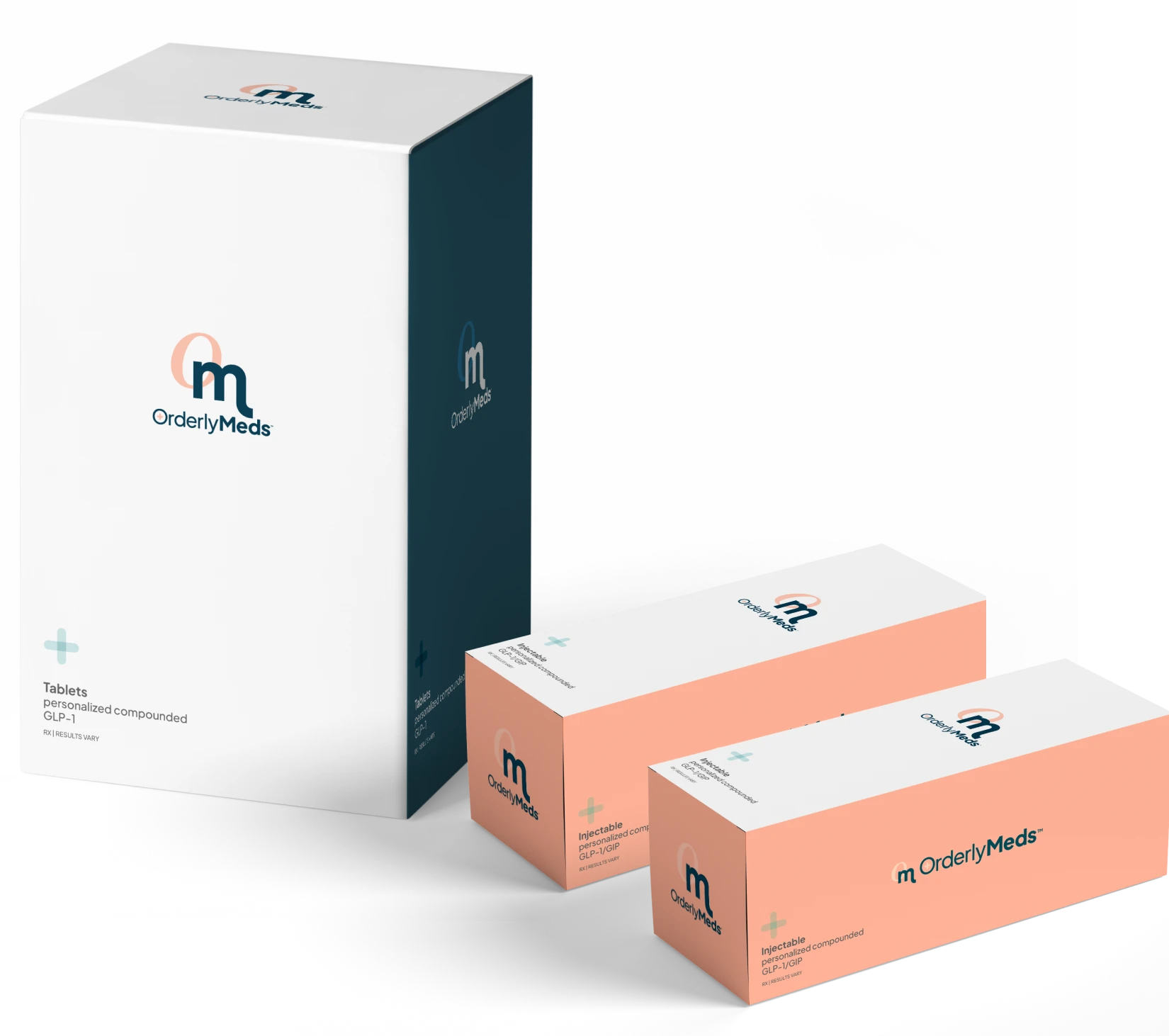
That’s where turnkey solutions can make a difference. Instead of employers taking on the full financial and administrative burden, corporate wellness partners like OrderlyMeds provide a bundled model:
- End-to-end prescribing, fulfillment, and coaching at no cost to the employer.
- Transparent monthly dashboards tracking utilization, outcomes, and ROI.
- Lifestyle support programs that maximize adherence (critical to unlocking full cost savings).
By outsourcing the complexity, employers can sidestep the upfront risk while still delivering this benefit to employees.
Why Act Now
The Washington Post analysis underscored what many already suspect: GLP-1s aren’t just a weight-loss fad. They’re redefining chronic disease prevention and shaping the future of healthcare economics.
Semaglutide and tirzepatide don’t just shrink waistlines—they reduce cardiovascular events, lower diabetes incidence, and improve overall longevity. ICER went so far as to call them among the most high-value treatments across medicine, surpassing many traditional chronic disease therapies.
For employers, the question isn’t if GLP-1s will reshape workforce health—it’s when. Acting early positions your company ahead of competitors and builds loyalty with employees who value proactive health support.
The Takeaway
Yes, GLP-1s are expensive in the short run. But the bigger picture tells a different story: lifetime cost savings, healthier employees, improved retention, and a stronger employer brand.
By leaning into GLP-1 coverage today—especially through no-cost-to-company wellness programs—employers can create a healthier, more productive workforce while protecting their bottom line.
Don’t wait for insurers to fully catch up. Contact OrderlyMeds Corporate Wellness to explore our turnkey GLP-1 corporate wellness program and learn how we help companies reduce costs, boost retention, and deliver measurable health outcomes—without increasing your benefits budget.