
In a recent Leader’s Edge article, Joel Wood, President and CEO of the Council of Insurance Agents & Brokers, shared something rare: a deeply personal story about his health. Six months after beginning treatment with a name brand GLP-1 medication, Wood had lost 30 pounds, lowered his body mass index, and significantly reduced his cardiovascular risk.
But the results came at a cost. Because his employer health plan covers GLP-1s only for diabetes—not obesity—Wood pays $650 out of pocket every month. That’s nearly $8,000 annually.
His openness matters because Wood isn’t just another patient. He leads one of the most influential broker associations in the country. When someone with his expertise and visibility calls attention to the gap between employee needs and employer coverage, it’s a signal to the entire corporate wellness ecosystem: GLP-1s are no longer optional—they’re essential.For decades, the U.S. healthcare system has leaned into mass production and one-size-fits-most treatments. But for patients navigating the GLP-1 landscape—especially those without diabetes or employer-sponsored insurance—the cracks in this model have become undeniable. Amid supply shortages, surging demand, and insurance barriers, compounded medications have filled a critical gap, operating under a robust regulatory framework prioritizing safety, necessity, and individualized care.
What’s too often lost in the headlines is the why behind compounding.
Why Joel Wood’s Perspective Matters
Wood’s career has been built around navigating insurance, benefits, and employer challenges. As the head of the Council of Insurance Agents & Brokers, he represents the interests of the people who help companies design and deliver benefits to millions of employees.
That makes his story uniquely powerful. It’s not just a case study in weight loss. It’s proof that even the most connected industry insiders face barriers when GLP-1s aren’t fully covered. And if someone at Wood’s level is struggling with affordability, the challenges for everyday employees are even more stark.
For employers, this should be a wake-up call. Your employees—whether senior executives or frontline staff—are paying attention to GLP-1s. If they don’t have access through you, they may pay out of pocket or seek employment elsewhere with a company that does provide access.
The Employer ROI Equation
The biggest hesitation employers cite about GLP-1 coverage is cost. At roughly $6,000–$8,000 annually per patient, it feels like a steep expense. But the numbers tell a different story.
The Institute for Clinical and Economic Review (ICER) has ranked GLP-1 medications among the most cost-effective therapies it has ever studied, projecting lifetime offsets of $46,000 to $61,500 per patient.
Where does that savings come from?
- Reduced hospitalizations for heart attacks, strokes, and diabetes complications
- Lower reliance on long-term medications for hypertension, cholesterol, and related conditions
- Avoided disability claims tied to obesity-related conditions like joint disorders and sleep apnea
And that’s just the healthcare side. Employers also need to consider productivity costs:
- Obesity-related absenteeism costs U.S. businesses an estimated $8.65 billion annually.
- Presenteeism—when employees are at work but not fully functioning—costs even more.
By reducing obesity-related conditions, GLP-1s directly improve attendance, energy levels, and engagement.
In short: the ROI of providing GLP-1 access is not measured only in pharmacy spend. It’s measured in avoided claims, improved productivity, and stronger workforce retention.
Coverage Gaps Are Hurting Employees
Wood’s story also highlights the inequities of coverage. Because his plan only pays for GLP-1s when prescribed for diabetes, not obesity, he’s forced to spend thousands out of pocket.
This is the reality for millions of Americans:
- Some employees qualify for coverage if they’re diagnosed with diabetes.
- Others, equally at risk, are denied coverage unless they meet specific BMI thresholds or comorbidities.
- Many, like Wood, are left to self-pay.
The result? Employees who could benefit most often miss out, while employers bear the long-term financial burden of untreated obesity and its complications.
Beyond Weight Loss: The Broader Health Benefits
One of the most important insights from both Wood’s story and emerging clinical research is that GLP-1s aren’t just “diet drugs.”
The benefits extend far beyond the scale:
- Cardiovascular health: Semaglutide has been shown to reduce the risk of heart attack, stroke, and cardiovascular death.
- Diabetes prevention: GLP-1s lower blood sugar and insulin resistance, reducing the incidence of Type 2 diabetes.
- Sleep apnea: Weight loss and improved metabolic health reduce the severity of sleep-related breathing disorders.
- Overall longevity: Studies like those from Swiss Re project that widespread GLP-1 adoption could lower U.S. mortality rates by 6.4% by 2045.
For employers, this means covering GLP-1s is less about cosmetic weight management and more about chronic disease prevention—a clear driver of reduced claims and improved quality of life.
The The Retention and Culture Advantage
Benefits are more than line items on a budget—they’re signals of what a company values. When employees see that their employer invests in their health and well-being, it builds trust and loyalty.
Consider this: surveys show nearly 70% of employees would stay longer at a company offering GLP-1 coverage. In a tight labor market, that’s an advantage employers can’t ignore.
For Joel Wood, access to Zepbound is a personal commitment to his health. For employers, providing access to employees sends a clear message: we care about your long-term health and success. That kind of culture is priceless for recruitment, retention, and engagement.
Why the Market is Moving
Wood isn’t alone in sounding the alarm. Leaders across the benefits industry are already framing obesity as both a public health crisis and a workforce imperative.
Greg Case, CEO of Aon, recently pointed out that obesity imposes a $1.72 trillion economic burden on the U.S. every year. For employers, that translates into higher claims, higher premiums, and lower productivity.
The market trajectory is clear: GLP-1s are shifting from optional add-ons to core wellness benefits. Employers who act early will position themselves ahead of the curve—not only in cost control, but in workforce loyalty and brand reputation.
A Smarter Path Forward: Corporate Wellness Programs
The challenge for most employers isn’t understanding the value of GLP-1s—it’s figuring out how to pay for them without blowing up the budget.
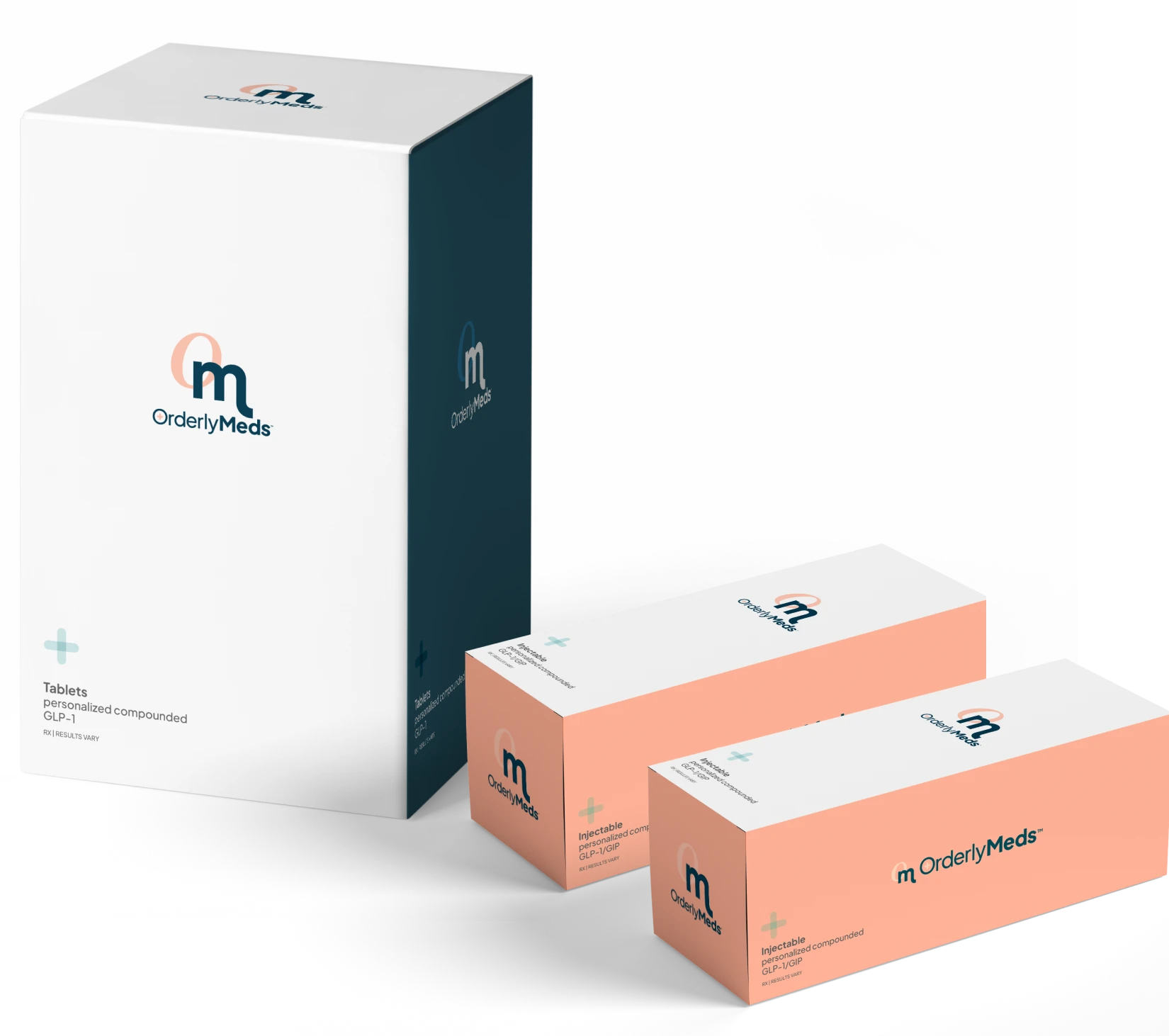
That’s where turnkey solutions come in. Instead of forcing employers to shoulder costs directly, partners like OrderlyMeds provide a corporate wellness model that:
- Offers GLP-1 access at no cost to the employer
- Handles prescribing, fulfillment, and lifestyle coaching end-to-end
- Delivers transparent ROI dashboards to track health outcomes and claims savings
- Ensures employee adherence through ongoing virtual support
This approach eliminates financial and administrative barriers while delivering the benefit employees value most.
The Takeaway
Joel Wood’s article is more than one executive’s success story. It’s a signal to employers, brokers, and HR leaders: GLP-1s are not a passing trend. They’re a transformational tool in the fight against obesity, chronic disease, and workforce disengagement.
The question is no longer whether your employees want access—they do. The question is how your company will respond. As leaders like Joel Wood put GLP-1s in the spotlight, the time to act is now. Contact OrderlyMeds to learn how our no-cost corporate wellness program can deliver access, outcomes, and ROI for your workforce.